BLOGGER TEMPLATES AND TWITTER BACKGROUNDS »

Tuesday, 9 November 2010

Levi Strauss


Strauss was a french anthropologist and ethnologist , he has been named the "father of modern anthropology", he argued that the savage mind has the same structure as the civilised mind and that human characterisitics are the same everywhere. He specifically focused on the brasilian , north and south american tribes focusing on males. his observation were culminated in his book Tristes Tropiques his ideas reached a number of subjects such as sociology and philosophy.Structuralism has been defined as "the search for the underlying patterns of thought in all forms of human activity."


broadcast:


print:

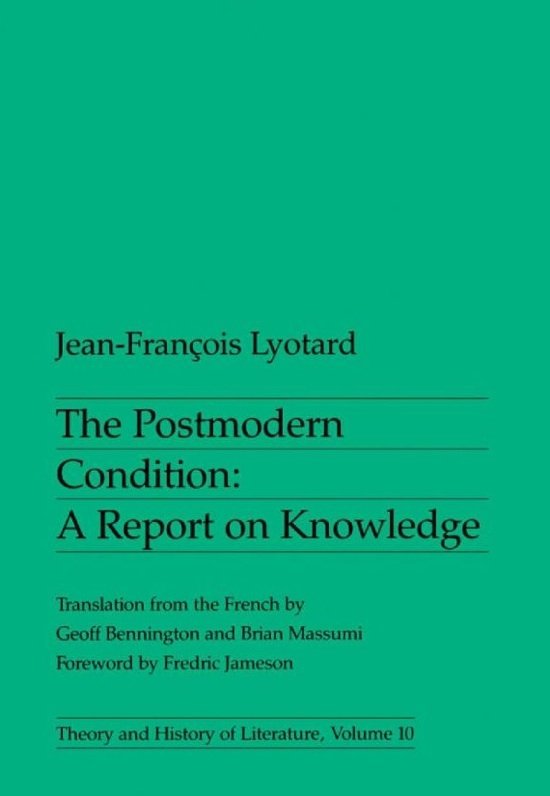
Jean Francois Lyotard


Lyotard is well known for his articulation of postmodernism amd the analysis of the impact of postmodernity on the human condition.He believes in grand narratives, large scale theories and philosophies of the world for instance history, religion , the knowability of everything by science. Lyotard argues that we are made to believe that narratives of this kind are acceptable to represent us all. we have become aware of diffrences, aspirations and beliefs and desries and for that reason postmodernity is charactisied by micronarratives.

Broadcast:

emedia:http://www.marxists.org/reference/subject/philosophy/works/fr/lyotard.htm

print :

Jean Baudrillard

jean was a french sociologist, pholisopher and a cultural theorist.He beleives that everything is made up and nothing is original. its the signs that gives of meaning. For instance if some people was to see an actor on the road they will call them by there acting name rather than their real name and question them on the act they was given. even though we know there storyline is not true we carry on believing it is.

jean qouted " the secret o theory is that truth does not exist" suggesting that there is no longer and truth and it is difficult to tell wheather something is real or jus a matter of images.


emedia :http://www.guardian.co.uk/news/2007/mar/07/guardianobituaries.france

print:


broadcast:


Laura Mulvey


Mulvey beleives that there is plenty of feminism in the media industry. she believes that the world is seen from a males gaze and that we have no control over the male dominance. woman dont really have a say and must accept masculine views.


Print : mulvey published a book visual pleasure and narrative cinema
http://www.jahsonic.com/VPNC.html


e media :
http://blogs.warwick.ac.uk/michaelwalford/entry/women_film_hub/


Broadcast


David Gauntlett


Gauntlett argues through making thing online and offline, we make connections with others and increase or engagement with the world. he specialised in the study of contemporary media audiences, the everyday making and sharing of digital media - the role of such media in self identity and self expression.

Gauntlett quoted " identities are not given but are constructed and negotiated" - suggesting that we all dont have our own idenetities but our identites are constructed through representations.

Print : Media, Gender and Identity

E-media : theory page based on Gauntlett
http://www.theory.org.uk/david/

Broadcast:

Richard Dyer

"how we are seen determines how we are treated, how we treat others is based on how we see them. how we see them comes from representations" - (matter of images"

Dyer is suggesting that how we see people represented is how we treat them. for instance if we was to see homosexual being abused on tv we automatically beleive that is how they act. whatever we see in the media we believe it too be true and act towards it, thats how representations comes about. he also created the pop star theory he believes "A star is an image not a real person that is constructed (as any other aspect of fiction is) out of a range of materials (eg advertising, magazines etc as well as films"

Print : the matter of images
Emedia :
http://www.mediaknowall.com/Popular%20Music/popstartheory.html
Broadcast:

Tuesday, 2 November 2010

Media Conference

Professor David Buckingham


why do people talk such rubbish about Media?

many people believe that media is a worthless qualification as it gives "false hopes to state pupils" - they say media is a dumb , soft subject for state schools. The majority of people believe media is not academic enough for students, people class media as a trivial, dumbing down , cope out subject. Many parents accuse state schools of dumbing down english as well as media by showing simpsons in class in stead of shakespeare. David stated that simpsons uses a good use of narrative, irony and paraodies which students can relate to their studies.
The independent newspaper quoted " tories to tackle media studies menace" - media studies should get lower points and students are misled and deceived to getting jobs in the future.
Matthew Arold; 19th century teacher cultural critic. He published a book called cultural anarchy in 1869.
Julian Mcdougall
julian spoke briefly about online media. he stated that everybody has opinions this comes from the TON BENNS theory , people with power are accountable for us there able to get our views and opinons across.
he gave us tips such as
Read all diffrent ideas to do with your case study
apply the reading to the examples
weigh up the debate
develop infrome academice view
he also gave us a variety of books to read such as
sonia livingstone - children use of internet
annette hill - reality
henry jenkins books
graeme turner - orinary people in the media
david buckingham- video cultures
TOP TIPS MEDIA STUDENTS SHOULD KNOW
Teachers wont know everything
collaborate- share ideas,research, working progress
diversify- come out of the bx
NO right answers
Take risks
make connections
get active- beyong the basics
build your writing skills
research:
really look at real examples - make it relevant
keep evidence of all your research
research every angle
conventions, audience and institutions
planning:
plan for al eventualites - what could possiblt go wrong?
record all your planning - visuals
show the process of your journey
blogging
a blog allows you to link to examples, ideas and inspirations
evidence:
storyboards , animatic
ideas:
keep ideas simple
have a workable concept with realistic plans
try the "25 word pitch"
feedback:
all stages from peers and teachers
keep records of the feedback
Logisitics
people, place, props, costumes
get it done early rehearse and prepare