BLOGGER TEMPLATES AND TWITTER BACKGROUNDS »

Saturday, 27 November 2010

youth culture : media influences on youths day 2

Print :


Representation of youth in the media :http://www.mediaed.org.uk/posted_documents/repsyouth.html

Thursday, 25 November 2010

Exam Case Study ;; DAY ONE 25.11.10

Idea ; Representation of youth culture in the media

i will be focusing on the youth in all different cultures around the world.

Platforms: Print and Broadcast

Text types:
Broadcast text - Adulthood , X Factor ,Kidulthood, 16 and pregnant , worlds strictest parents, the apprentice.
Print : heat, the sun , metro, the guardian, marie claire , sugar etc
i will be focusing on all text which involve youths and the representations of youth through these texts.

Wider Context :
  • is the youth portrayed in a negative or positive way ?
  • does the representation of youth differ in other cultures around the world ?
  • have the representations of these youth changed over the years?
  • are they influenced by what they see through the media ?
  • the impact the older generations and celebrities have on youths?
  • Are all youths stereotyped the same or does it depend on where they come from and what they
  • do and how they dress?

Time Frames: contemporary over the past 5 years

Theoretical findings: focusing on all theories
Postmodernism:
Marxism : david gauntlett , Richard Dyer - does the stereotypes of youth differ depending on social class.

Media Issues: British VS Other Cultures

Thursday, 11 November 2010

William Merrin

Merrin believs " the media do not reflect and represent reality but instead produce it, employing this simulation to justify their own continuing existence" - suggesting that the media no longer reflects and represents us but now produces reality and controls us.Merrin offers an overview and evaluation of his key arguments and themes, focusing especially his work: his theory of symbolic exchange and critique of the semiotic and of simulation.


Print:


broadcast:

Dominic Strinati

"Postmodernism tries to come to terms with and understand a media-saturated society. The mass media, for example, were once thought of as holding up a mirror to, and thereby reflecting, a wider social reality. Now that reality is only definable in terms of surface reflection of the mirror" - Strinati suggest that society was once in control of representations but now the media represents society to us , they are so in control that they are dictating how society now works. It is now difficult to distinguish between reality and media, the mirror was once our reality but now the mirror makes our reality.


print :

Broadcast:

E-media:

John Berger

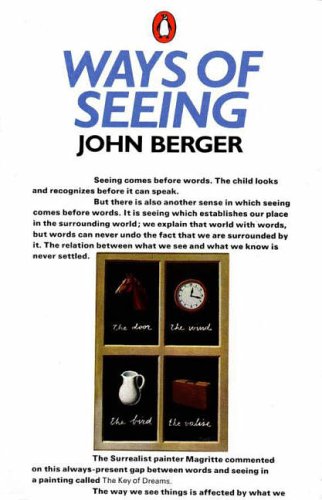
John Berger is an art critic, novelist, painter and author.Berger published an infuential book based on a BBC television series called "In Ways Of Seeing". Berger observes that men act as woman appear. Men look at women , whilst woman watch themselves being looked at.Berger argues that in european art from the Renaissance onwards woman were depicted as being aware of being seen by a 'male' spectator.

Broadcast:


Print:

Tuesday, 9 November 2010

Levi Strauss


Strauss was a french anthropologist and ethnologist , he has been named the "father of modern anthropology", he argued that the savage mind has the same structure as the civilised mind and that human characterisitics are the same everywhere. He specifically focused on the brasilian , north and south american tribes focusing on males. his observation were culminated in his book Tristes Tropiques his ideas reached a number of subjects such as sociology and philosophy.Structuralism has been defined as "the search for the underlying patterns of thought in all forms of human activity."


broadcast:


print:

Jean Francois Lyotard


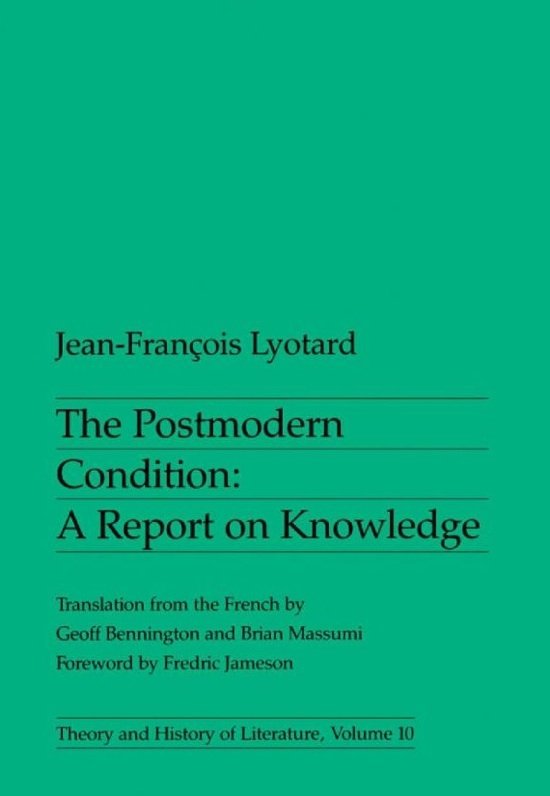
Lyotard is well known for his articulation of postmodernism amd the analysis of the impact of postmodernity on the human condition.He believes in grand narratives, large scale theories and philosophies of the world for instance history, religion , the knowability of everything by science. Lyotard argues that we are made to believe that narratives of this kind are acceptable to represent us all. we have become aware of diffrences, aspirations and beliefs and desries and for that reason postmodernity is charactisied by micronarratives.

Broadcast:

emedia:http://www.marxists.org/reference/subject/philosophy/works/fr/lyotard.htm

print :